 Carry and Craft
The Importance of Balance: Weight Distribution in EDC
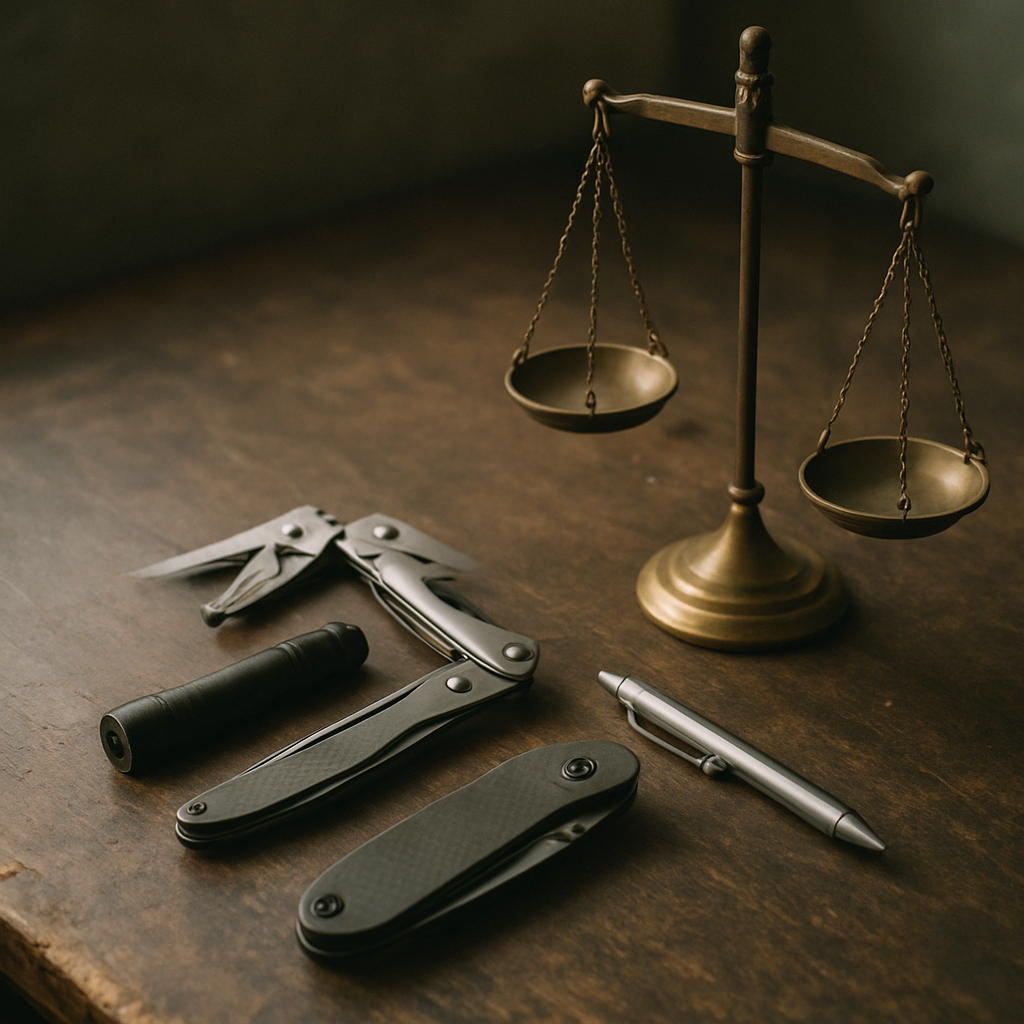
Everyday Carry (EDC) gear plays an essential role for those who prioritize preparedness, practicality, and personal style. However, achieving the perfect setup isn't just about having the right tools; it's also about how those tools are distributed across your person. Without proper weight distribution, carrying your gear can become uncomfortable, leading to unnecessary strain and fatigue. This is why understanding and optimizing the balance of your EDC setup is crucial. By focusing on weight distribution, you can enhance both the functionality and comfort of your carry, ensuring that it serves you well throughout your daily adventures and tasks. Let's explore how to achieve this balance effectively.
Understanding the Basics of Weight Distribution
The concept of weight distribution in EDC might seem straightforward, but it requires more deliberation than simply divvying up your gear. Understanding how weight affects your body and how different items can be positioned is foundational. Misbalanced weight can lead to discomfort or even long-term health issues such as back pain. Think about how you feel when one pocket is heavier than the other—it’s not just annoying; it can also pull your posture out of alignment.
When considering weight distribution, it’s essential to evaluate the type of gear you carry. Larger items like multi-tools or smartphones may have more weight but are usually indispensable. Conversely, smaller items like keys or a pocket knife might be lighter but can accumulate if not managed properly. Companies like Leatherman and Victorinox offer a range of sizes and weights in multi-tools, allowing for customization based on what fits best in your EDC lineup without overloading one side of your body.
The placement of your gear also plays a crucial role. Ideally, heavier items should be stored closer to your body. This keeps the center of gravity in check and prevents unnecessary strain on your muscles. The key is to distribute weight evenly across both sides of your body. Ensuring this balance makes your gear feel less cumbersome and more a part of your natural movement.
The Role of EDC Bags and Pouches
EDC isn't limited to what fits in your pockets. Bags, backpacks, and pouches often play a pivotal role in organizing and distributing gear effectively. The choice of a carrying system can significantly affect how weight is managed. Brands like Maxpedition, known for their tactical bags, and Bellroy, with their sleek urban designs, offer options that cater to different needs and preferences.
When selecting an EDC bag, consider factors like strap width and padding, which can help distribute weight more evenly. A well-designed bag with padded shoulder straps, like those from Osprey or Patagonia, can alleviate pressure on pressure points, making it easier to carry heavier loads without discomfort. Additionally, compartments within the bag allow for strategic placement of items, ensuring that the weight is balanced.
Pouches, such as those offered by Vanquest or Tasmanian Tiger, can further assist in organizing smaller items. These accessories enable you to compartmentalize your gear, preventing smaller items from shifting around and creating imbalances. By using a modular system, you have the flexibility to reorganize and redistribute weight as needed, adapting to different daily requirements.
Clothing's Impact on Carry Comfort
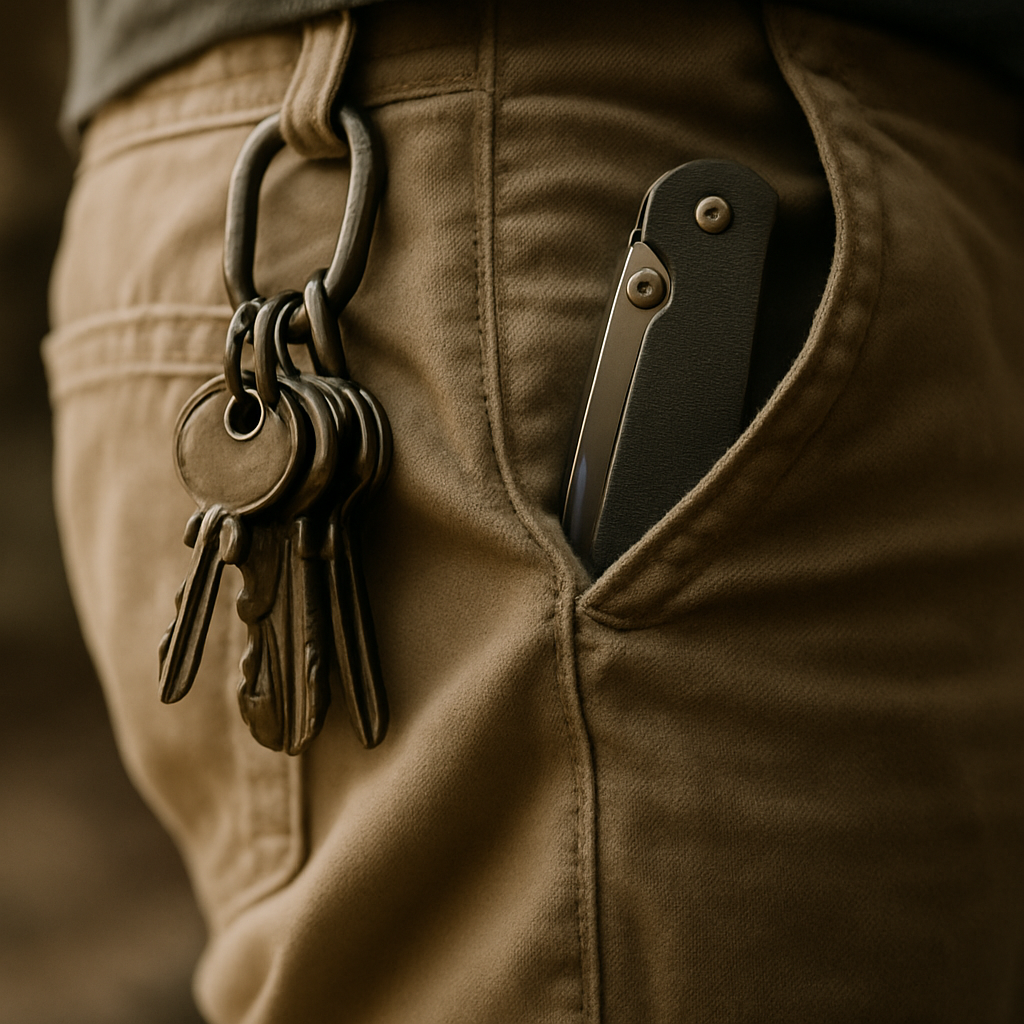
While often overlooked, clothing plays an integral role in the effective distribution of EDC weight. The right clothing choices can enhance comfort and efficiency, whereas poor choices can amplify discomfort. Companies like 5.11 Tactical and Triple Aught Design manufacture clothing specifically designed with EDC in mind, incorporating features that support weight distribution.
Pants with reinforced pockets or strategic stitching can better support the weight of heavier items without sagging or falling out of balance. Tactical pants often come with numerous pockets that allow for the distribution of smaller gear pieces like flashlights or multi-tools. Similarly, jackets with interior pockets can help secure valuables or other small items, offering an additional layer of organization.
Moreover, the fabric and fit of your clothing are significant considerations. Stretchable materials provide more flexibility and comfort, accommodating the natural shifts in weight as you move throughout your day. It’s also worth noting how tighter clothing might restrict movement, making it feel as though your gear is more cumbersome than it is. Comfort is as much about how you wear your gear as it is about what you carry.
Balancing Minimalism and Functionality
The philosophy of EDC often emphasizes preparedness, but it’s easy to fall into the trap of overpacking. Striking a balance between minimalism and functionality is crucial to maintaining an efficient and comfortable EDC setup. Brands like Nomatic and Aer have embraced minimalist design principles to create gear that supports essential needs without excess bulk.
Determining what is essential comes down to personal preference and everyday activities. Start by evaluating the tasks you typically encounter and the tools that are truly necessary. Consider the items that you reach for most frequently, such as a pen, a knife, or a smartphone. By prioritizing these key items, you can reduce the number of non-essential items that add unnecessary weight.
Streamlining your EDC doesn’t mean compromising on readiness. Instead, it involves making informed choices about multi-functional tools. For instance, choosing a multi-tool that includes a knife, screwdriver, and bottle opener can replace several individual items, reducing weight and bulk. The goal is to create a streamlined EDC setup that is as functional as it is lightweight, maximizing both comfort and utility.
Adapting to Changing Needs and Environments
Every EDC enthusiast knows that adaptability is key. The environments and situations you face can vary greatly from day to day, and your gear needs to adapt accordingly. Being prepared to adjust your setup is an essential part of optimizing weight distribution and maintaining balance. Companies like TAD Gear and EDC-friendly organizers like Grid-It provide solutions that allow for easy reconfiguration of your carry load.
As seasons change, so do the demands on your gear. In winter, for example, heavier clothing and additional accessories such as gloves or hats can impact your carry system. This might necessitate rethinking your distribution strategy to maintain comfort and accessibility. During summer, lighter clothing may offer fewer pockets, requiring a different approach to how you carry your essentials.
Furthermore, your professional and personal commitments might demand different gear. A day at the office may require technology-focused tools like a laptop or a power bank, whereas a camping trip would prioritize survival gear like a fire starter or a durable flashlight. Being flexible and aware of these shifting requirements allows you to maintain a balanced and effective EDC setup, no matter the circumstances.