 Carry and Craft
Cultural Influences on EDC: A Global Perspective on Gear
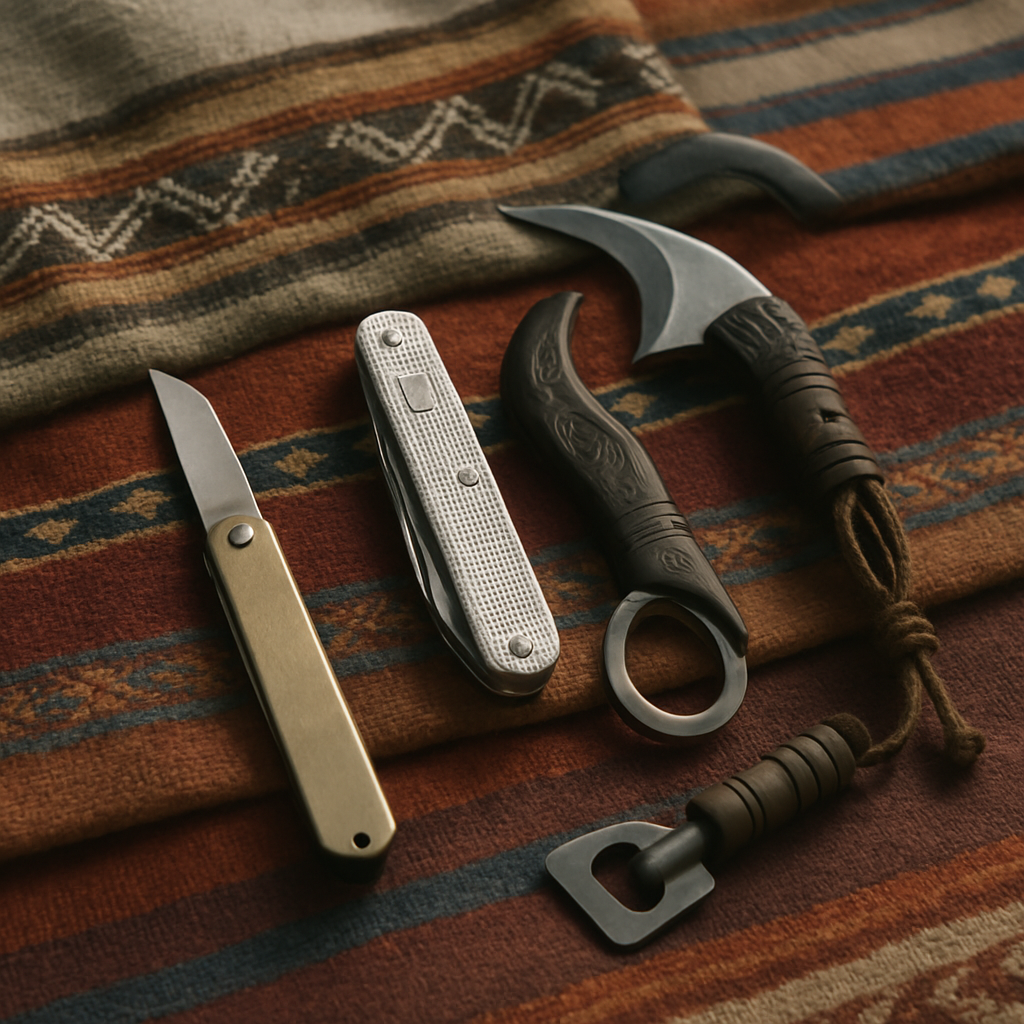
Everyday Carry (EDC) is more than just a utilitarian practice; it's a cultural phenomenon that reflects personal priorities, societal values, and regional influences. While the basic idea behind EDC—carrying essential tools and items for daily tasks—remains constant, the specific gear that individuals choose to carry can vary significantly across the globe. This variation is shaped by cultural norms, environmental conditions, and lifestyle necessities. From the multi-functional Swiss Army knife in Switzerland to the sleek and minimalistic gear favored in Japan, each region has its distinctive take on EDC. By examining these differences, we can gain a deeper understanding of how cultural contexts shape our perceptions of preparedness and utility.
The Roots of EDC in American Culture
EDC as a recognized practice has deep roots in American culture, where the idea of being prepared for any situation resonates strongly. In the United States, EDC is heavily influenced by historical and cultural factors, including the pioneering spirit of the American frontier and the robust traditions of self-reliance. Brands like Leatherman and Gerber have become synonymous with American EDC gear, producing multi-tools that embody versatility and ruggedness.
The American fascination with practicality can also be observed in the popularity of tactical gear. Companies such as 5.11 Tactical and Maxpedition have captured the attention of EDC enthusiasts by offering products that emphasize durability and function. These items often include features like MOLLE webbing systems, enabling users to customize their gear according to specific needs. The concept of being "tactically ready" extends beyond mere utility, reflecting a cultural narrative that celebrates preparedness and adaptability.
Moreover, urban EDC in the U.S. has evolved to incorporate technology, with gadgets like the Tile Mate and portable chargers becoming essentials. This integration of tech reflects the fast-paced, digitally connected lifestyle of many Americans. As such, the American approach to EDC is not static but continually evolving to meet the demands of modern life while holding onto its cultural legacy of readiness and self-sufficiency.
Japanese Minimalism and Precision
In Japan, EDC is influenced by a cultural appreciation for minimalism and precision. The Japanese philosophy of "less is more" is evident in the streamlined designs and multifunctional features of popular EDC items. For example, the Japanese brand Muji is renowned for its minimalist approach, offering practical, aesthetically pleasing products that cater to everyday needs without unnecessary complexity.
The cultural emphasis on precision and orderliness also finds expression in the popularity of brands like Seiko and G-Shock, whose watches are a staple in Japanese EDC. These timepieces are not just functional but also designed with meticulous attention to detail, embodying the Japanese dedication to craftsmanship. Beyond aesthetics, this precision extends to the functionality of EDC gear, with items such as the Higonokami knife—a traditional folding blade—being both highly practical and a reflection of Japanese craftsmanship.
Japanese urban environments further influence EDC choices, with public transport and space constraints encouraging the selection of compact and versatile gear. Items like the Hobonichi Techo planner exemplify this approach, offering multifunctionality in a portable form. In Japan, EDC is not just about being prepared but doing so in a manner that respects the cultural values of efficiency, subtlety, and elegance.
European Sophistication and Tradition
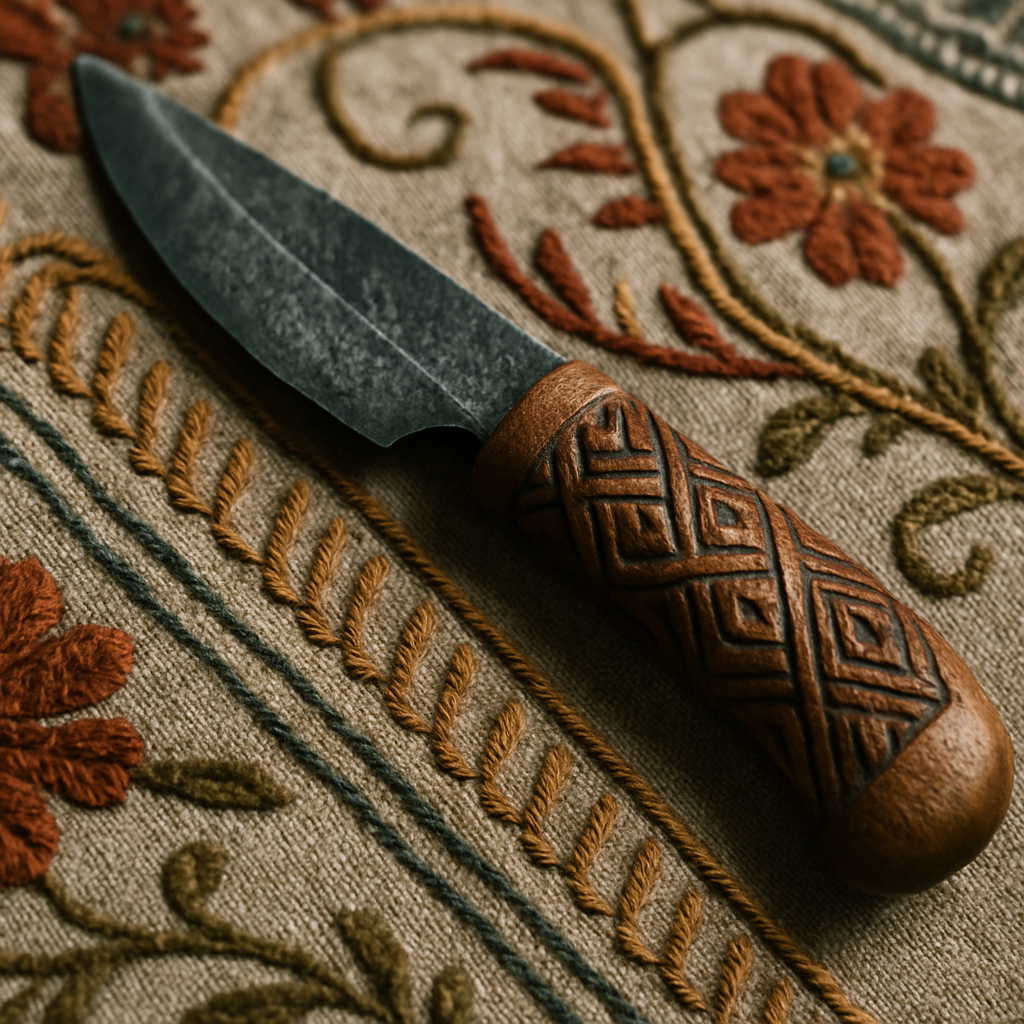
In Europe, EDC is informed by a blend of tradition, sophistication, and practicality. Countries like Switzerland are renowned for their contributions to EDC culture, notably through the iconic Victorinox Swiss Army knife, which embodies Swiss precision and versatility. This tool is a testament to Europe's ability to blend traditional craftsmanship with modern functionality, making it a staple in EDC kits worldwide.
European brands like Montblanc and Lamy also illustrate the continent's influence on EDC through their high-quality writing instruments. These pens represent more than just tools; they symbolize a respect for tradition and a commitment to excellence. In many European cultures, such items are considered essential aspects of professional life, reflecting an appreciation for craftsmanship and style.
In contrast, the Scandinavian approach to EDC emphasizes practicality and environmental consciousness. Brands like Fjällräven and Mora Kniv offer gear that is not only functional but also sustainable, adhering to the Nordic principle of "friluftsliv," or open-air living. This philosophy encourages a harmonious relationship with nature, influencing the EDC choices of outdoor enthusiasts throughout Europe.
Emerging Trends in Asian Markets
Asian markets are witnessing a dynamic evolution in EDC culture, driven by rapid urbanization and technological advancement. In countries like South Korea, the EDC landscape is shaped by a blend of traditional practices and modern innovations. This duality is visible in the popularity of high-tech gadgets alongside traditional items like the Korean "jige" folding knife.
In urban centers such as Seoul, EDC is influenced by the fast-paced lifestyle and limited space, prompting a preference for compact, multi-functional tools. Brands like Ringke and Spigen have emerged to cater to this demand, offering phone cases and accessories that prioritize utility and convenience. The influence of K-culture, including the global rise of K-pop, has also led to an increased interest in aesthetically pleasing EDC items that reflect personal style and identity.
China's burgeoning tech industry is another major influence on EDC trends in Asia. Companies like Xiaomi have introduced a range of affordable, high-quality gadgets that have become staples in everyday carry. These innovations highlight a shift towards integrating technology into EDC, catering to the needs of a digitally connected generation. As Asian markets continue to evolve, they offer fresh perspectives on how global trends and local cultures intersect within the realm of EDC.
African Perspectives on Utility and Innovation
In Africa, EDC practices are influenced by a diverse array of cultural, environmental, and economic factors. The continent's rich diversity is reflected in the variety of EDC items that cater to both urban and rural lifestyles. In South Africa, for instance, brands like Cape Union Mart provide outdoor gear that emphasizes durability and adaptability, essential for navigating the country's varied landscapes.
In many African regions, EDC choices are driven by practicality and innovation. The use of multi-functional tools, such as the traditional panga machete, illustrates a focus on versatility. This tool serves a range of purposes, from agricultural tasks to survival situations, highlighting the importance of resourcefulness in EDC practices.
Urban centers like Nairobi and Lagos are seeing a rise in tech-savvy EDC items, including solar-powered gadgets and mobile accessories designed to improve connectivity in areas with inconsistent power supply. Companies like BRCK in Kenya are pioneering in this space, offering portable Wi-Fi devices that cater to the needs of African consumers. These innovations not only address local challenges but also demonstrate the continent's capacity for creativity and adaptation in the EDC landscape. As Africa continues to grow economically, its unique perspectives on utility and innovation will play a crucial role in shaping global EDC trends.