 Carry and Craft
The Emotional Connection: Sentimental Value in Everyday Carry
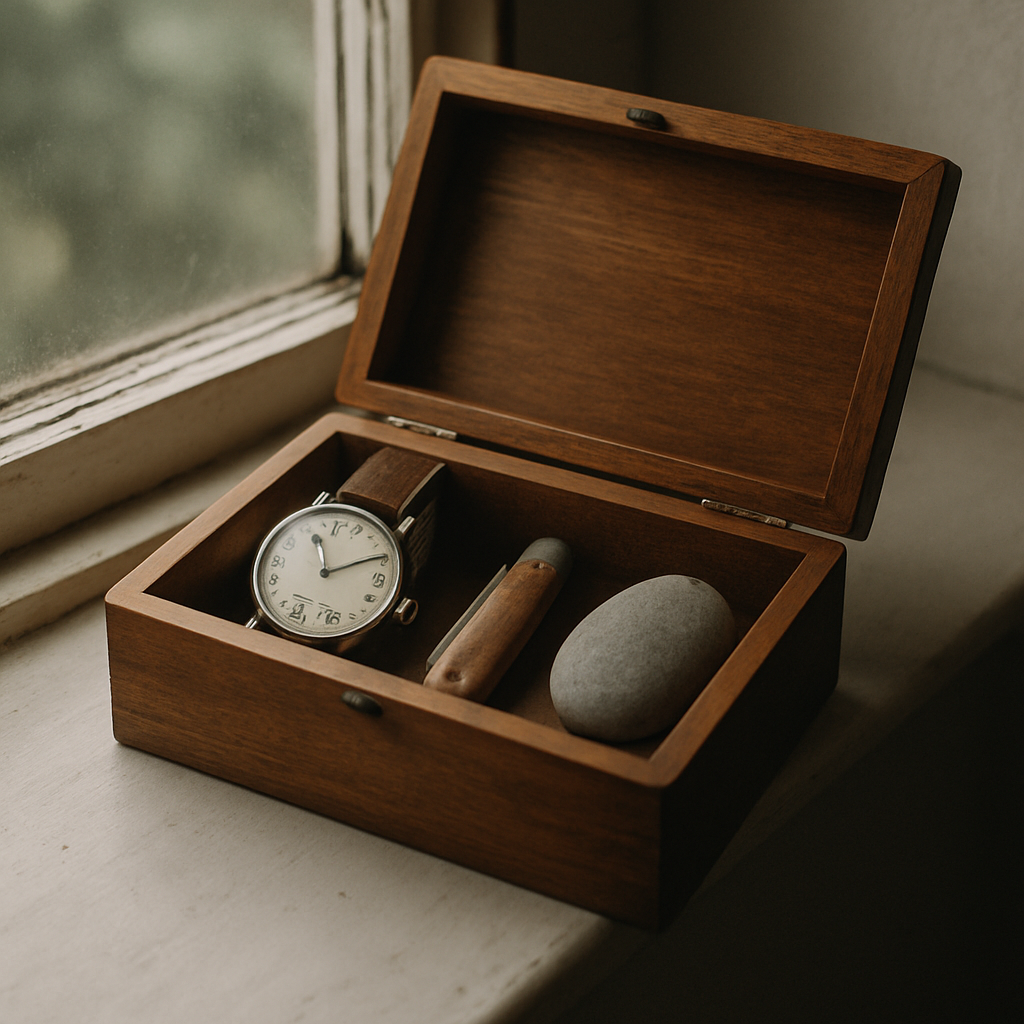
Everyday Carry (EDC) encompasses more than just practicality and preparedness. At its core, EDC is deeply personal, often laden with items that carry sentimental value. These objects provide an emotional anchor, serving as reminders of past experiences, cherished relationships, or personal milestones. While functionality and durability are critical factors in selecting EDC gear, the emotional connection a person has with an item often transcends its utilitarian purpose. From pocket knives passed down through generations to the wristwatch gifted by a loved one, the significance of sentimental value in EDC culture cannot be overstated. These items not only serve a practical function but also tell a story unique to their bearer.
The Significance of Hand-Me-Downs
In the world of EDC, hand-me-downs play a pivotal role. These items are often more than just tools or accessories; they are heirlooms that carry with them a rich tapestry of family history and personal stories. For many, a pocket knife inherited from a grandfather or a vintage wristwatch owned by a father is worth far more than its material value. Brands like Buck Knives and Victorinox often find their products being handed down through generations, becoming treasured possessions that link individuals to their ancestry.
Such items are imbued with memories, making them invaluable in ways that are hard to quantify. Every scratch, dent, or patina tells a story, each adding to its character and reminding the owner of moments shared with loved ones. A Buck 110 Folding Hunter, for example, might not just be a reliable cutting tool in the woods; it could also be the knife passed down from parent to child, used to teach the next generation about responsibility and the importance of craftsmanship.
Moreover, these hand-me-downs often come with their own unique sense of style and craftsmanship that is rarely replicated in today's mass-produced world. The attention to detail and durability of older models become a testament to the quality and care with which they were made. They prompt a reflection on the evolving standards in manufacturing, often sparking a deeper appreciation for the artisanship of the past.
Gifts with Emotional Weight
Everyday Carry items received as gifts often possess a weight that transcends their physical form. A Zippo lighter engraved with a special date, a Leatherman multitool gifted on a birthday, or a notebook presenting the encouragement to pen one's thoughts, these items become more than mere objects. They serve as tangible reminders of the relationships and moments that mark our lives.
Gifted EDC items often represent a shared experience or a milestone. When a son receives his first Swiss Army Knife from his father, or a partner gifts a carefully chosen Parker pen, the act often signifies trust and acknowledgment of a rite of passage. These items become interwoven with the narratives of our lives, acting as constant, silent companions that recall the significance of the relationships behind them.
Some brands have wisely tapped into this emotional aspect, offering customization options that allow for personal engravings or unique touches. By making an item truly personal, companies like Zippo and Leatherman create an emotional bridge, ensuring their products are not just used but cherished. The sense of personalization amplifies the sentimental value, transforming functional items into keepsakes that grow in importance over time.
The Role of Nostalgia
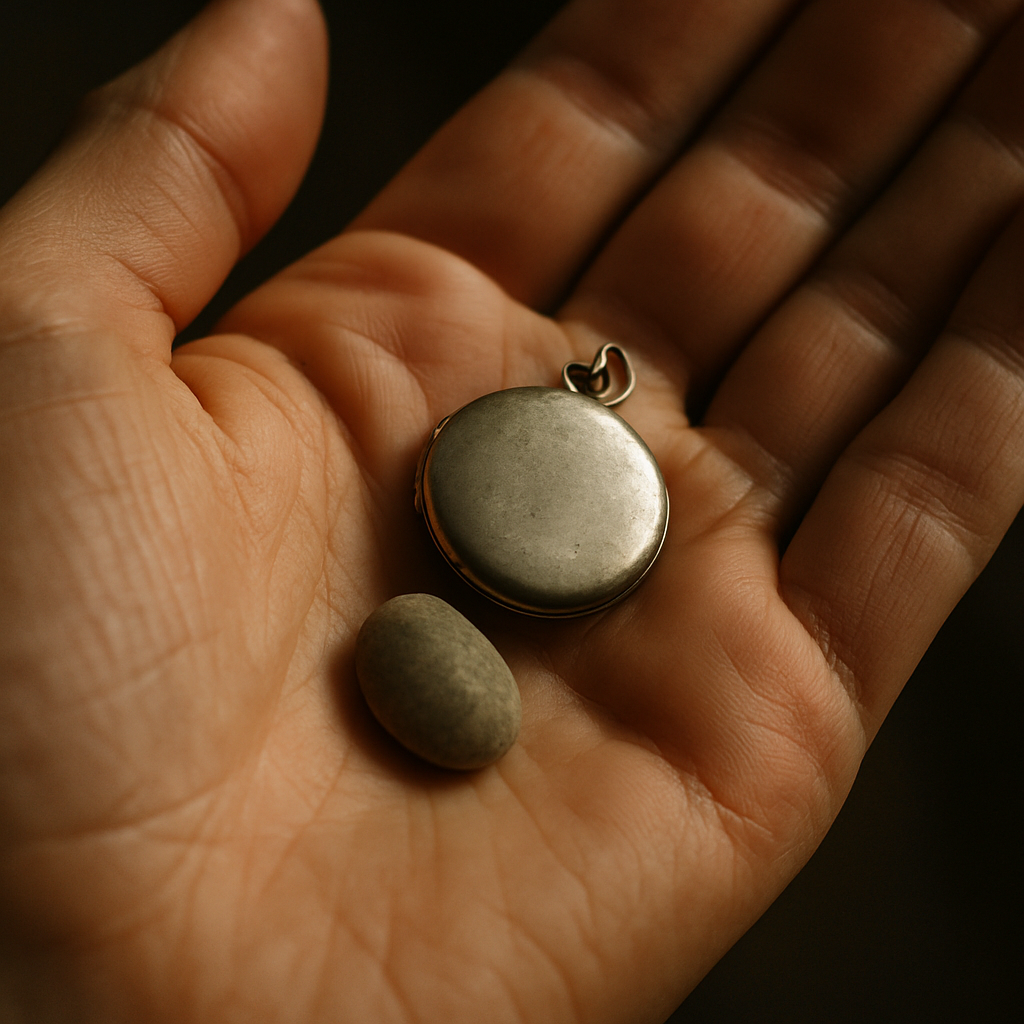
Nostalgia plays a substantial role in the sentimental value of EDC items. In essence, these items transport us back to simpler times or pivotal moments in our life, often evoking pleasant memories and a sense of comfort. Retro designs or colorways released by brands like Seiko or Case Knives capitalize on this longing for the past, connecting users to their own history or even to a bygone era they admire.
When someone carries a classic Timex watch reminiscent of their first timepiece or a pen like the Fisher Space Pen that harks back to the excitement of the space race, they are not just favoring practical design but also indulging in an emotional journey. Nostalgia-laden items can bring calm and reassurance in an ever-changing world. This emotional connection can profoundly affect our sense of identity and continuity, serving as a touchstone that helps ground us in our day-to-day lives.
While nostalgia can be a powerful motivator for collecting EDC items, it also provides comfort and a sense of belonging. The familiar feel of a worn leather wallet or the sound of a particular knife opening can invoke a sense of place and history, reminding us of who we are and where we come from.
Iconic EDC Gear Across Generations
Certain items within the EDC community have achieved an almost iconic status, transcending their original purpose to become symbols of identity and tradition. The Opinel pocket knife, for instance, is celebrated for its simple elegance and timeless appeal. Originally made for French farmers in the late 19th century, it has become a staple for generations of EDC enthusiasts around the world.
Brands like Victorinox and Zippo have similarly seen their products become iconic, steeped in the history of everyday life and personal stories. The Swiss Army Knife is not merely a tool but a cultural icon, known for its versatility and reliability. Meanwhile, the Zippo lighter, with its distinctive "click," often evokes images of World War II and the American ethos of rugged reliability.
What makes these items iconic is often their ability to evolve with each generation while retaining their core values and design principles. They serve as connections across time, binding different eras of EDC enthusiasts into a shared narrative. The continual use and reinvention of these products speak to their ability to adapt to new needs while maintaining a link to history and tradition.
Crafting Personal Narratives
At the heart of EDC is the power to craft personal narratives. The gear one chooses to carry is often an outward expression of individual values, experiences, and aspirations. Each item in one's EDC kit is a chapter in a broader personal story, capturing the intersection of utility and sentiment.
Crafting these narratives is not always conscious. Sometimes, an item finds its way into everyday carry simply because it fits a practical need and then becomes sentimental over time through the experiences it is part of. A Field Notes notebook, for instance, might start as a simple tool for jotting down ideas but later become a keepsake filled with memories of adventures and insights.
In the end, EDC is not just about the physical items but about what they represent. The stories behind each piece—how it was acquired, why it continues to be carried, what it symbolizes—are what truly define its value. By understanding the emotional connections we form with our daily gear, we gain insight into our own identities and the ways we interact with the world around us.