 Carry and Craft
The Evolution of Pocket Clips: Function Meets Style in EDC
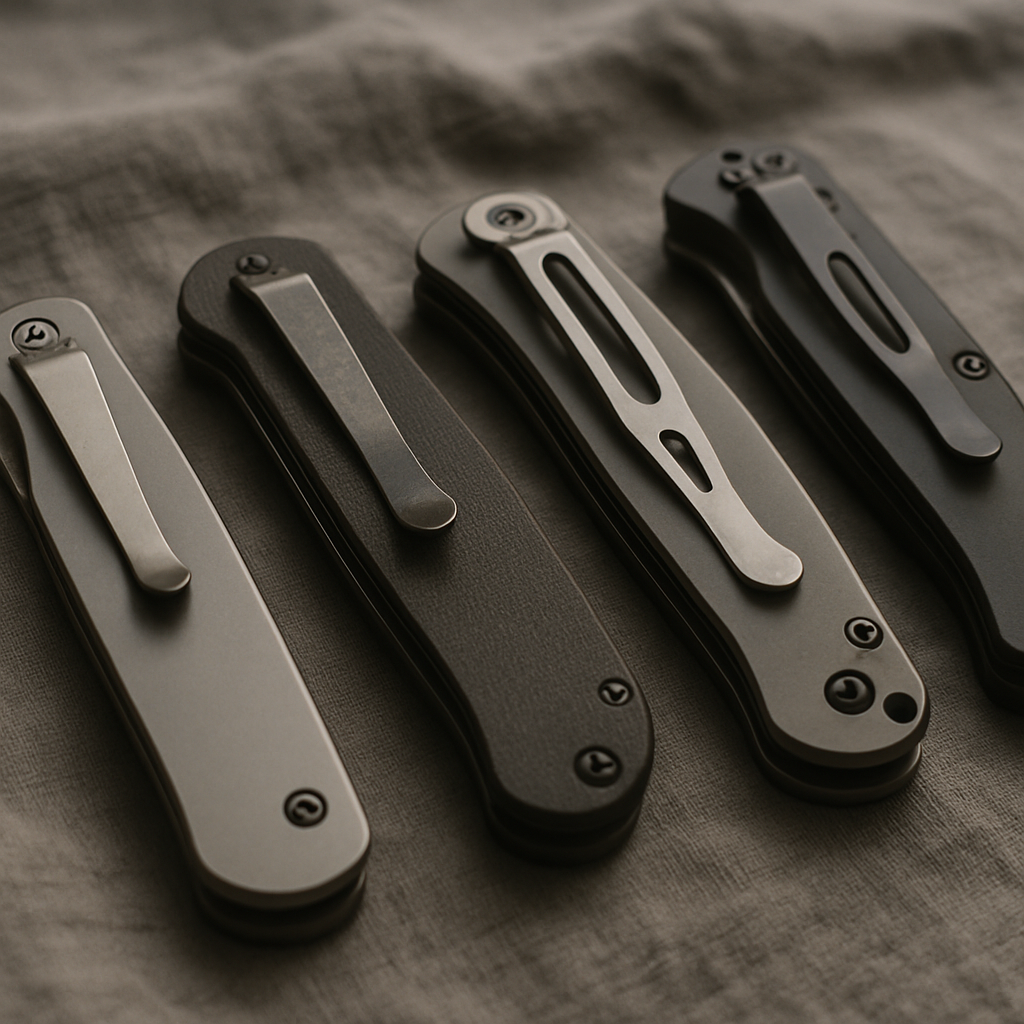
Pocket clips are an element of everyday carry (EDC) gear that many enthusiasts overlook until they experience just how convenient they can be. Originating as simple utility elements, pocket clips have evolved to fuse functionality with fashion, playing a pivotal role in the EDC community. Offering easy access to tools and devices while adding a touch of personal style, pocket clips have seen tremendous innovation over the years. From early iterations that focused solely on providing a strong grip to modern designs that embrace aesthetics, the journey of pocket clips reflects the broader evolution of EDC culture itself, where utility and personal expression are seamlessly intertwined.
The Birth of the Pocket Clip
The concept of a pocket clip emerged alongside the invention of portable tools and implements. In the late 19th and early 20th centuries, as men and women started carrying more personal items, manufacturers sought ways to make these items easily accessible. Companies like Parker and Waterman, known for their fountain pens, were among the first to incorporate clips into their designs. These early clips aimed to secure the pen to a pocket edge, preventing loss and allowing for quick retrieval.
However, the real transformation began in the mid-20th century when knives started featuring pocket clips. Brands such as Buck Knives and Case Knives recognized that a pocket clip could vastly improve the convenience and safety of carrying a utility knife. It was during this period that the pocket clip began to be seen not just as a functional appendage but as a potential design feature. The rise of the tactical and survival knife market further cemented the importance of pocket clips, encouraging manufacturers to innovate and refine their designs for specific user needs.
Materials and Manufacturing Advancements
As EDC culture gained momentum, advancements in materials and manufacturing played a crucial role in the evolution of pocket clips. Early iterations were typically made from simple spring steel, which provided the necessary flexibility and strength. However, as the scope of EDC expanded, so did the need for diverse materials that offered both durability and aesthetic appeal. Stainless steel became a popular choice for its corrosion resistance and strength, while titanium emerged as a premium material, celebrated for its lightweight and robust nature.
The development of CNC (Computer Numerical Control) machining allowed for unprecedented precision in manufacturing. Companies such as Benchmade and Spyderco began experimenting with intricate designs and customizations that were previously unattainable. Powder coating and anodizing techniques further expanded the color and finish options available, enabling users to select clips that matched their personal style. These advancements not only improved the functionality of pocket clips but also allowed them to become a canvas for self-expression within the EDC community.
Design Innovations and Ergonomics
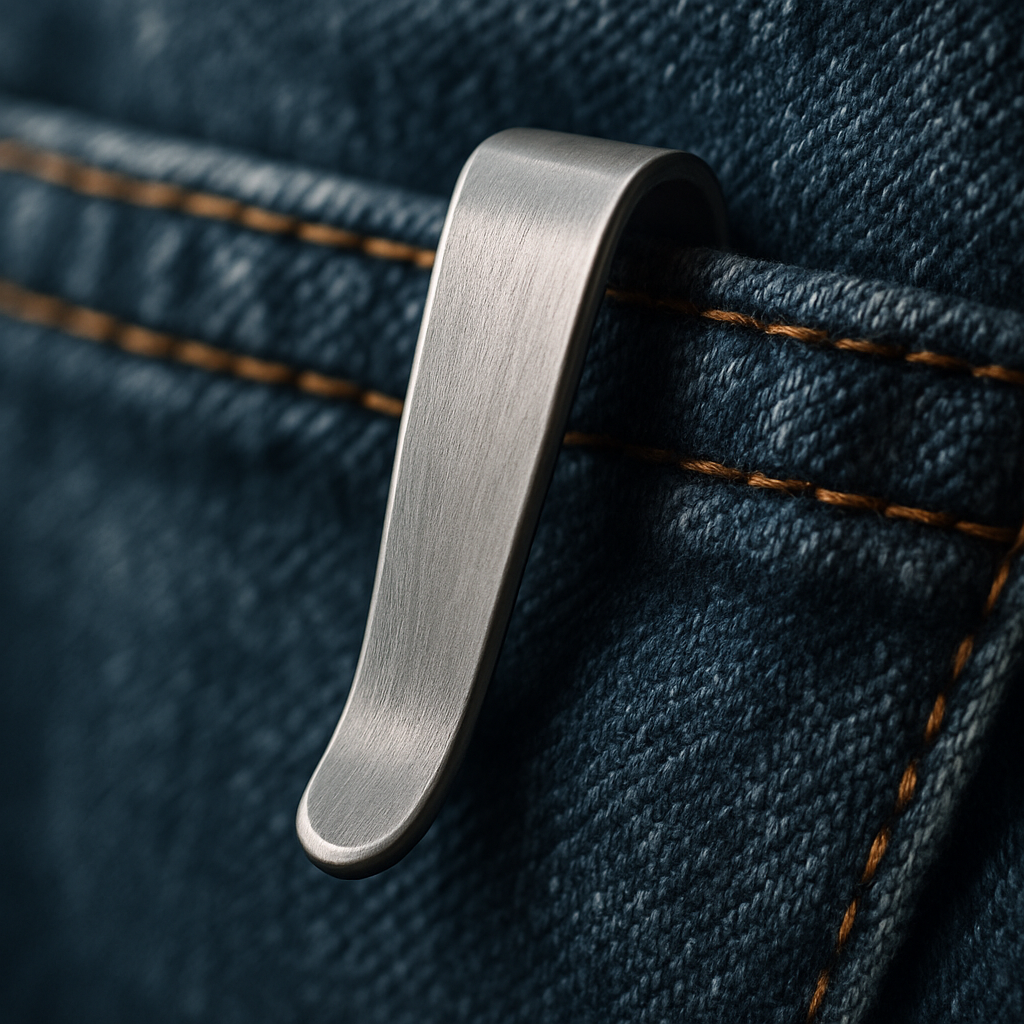
The design of pocket clips has evolved dramatically, influenced by ergonomic studies and user feedback. Early pocket clips were often seen as utilitarian, with little consideration for comfort or ease of use. However, as the EDC community grew, manufacturers began to pay more attention to the ergonomics of their products. Clip designs now often incorporate curved shapes that follow the natural contours of the hand, minimizing discomfort and improving the user experience.
Innovators like Chris Reeve Knives introduced deep-carry pocket clips, which allow the knife to sit lower in the pocket, offering a more discreet carry and reducing the risk of loss. The advent of ambidextrous designs ensured that both left- and right-handed users could enjoy the same ease of access. Magnetic attachment systems, pioneered by brands such as Magpul, have further revolutionized the pocket clip market, providing secure yet easily detachable solutions. These innovations have set new benchmarks in the EDC world, emphasizing that a well-designed pocket clip enhances both the aesthetic and practical aspects of everyday carry.
Customization and Personalization
In recent years, customization has become a major trend in the EDC community, impacting pocket clip designs significantly. As enthusiasts seek to personalize their gear, manufacturers have responded by offering an array of custom options. Companies like Zero Tolerance and WE Knife offer clip designs in various finishes, materials, and colors, allowing users to tailor their gear to their personal taste. The rise of smaller, boutique knife makers has further fueled this trend, with artisans crafting bespoke clips that add a unique touch to any EDC setup.
Social media platforms have played a significant role in the customization boom, providing a space for EDC enthusiasts to showcase their gear and inspire others. Platforms like Instagram and Reddit are rife with discussions and images of modified pocket clips, sparking creativity and fostering a sense of community among enthusiasts. This movement towards personalization reflects a broader cultural shift where individuals seek to express their identity through their belongings. As a result, the pocket clip has transitioned from a mere utility component to a statement piece that contributes to the overall character of an EDC kit.
The Future of Pocket Clips
Looking ahead, the future of pocket clips in EDC appears to be as dynamic as it is exciting. As technology continues to advance, we can expect further innovations that push the boundaries of what pocket clips can offer. Smart materials, such as memory metals that adapt to various stresses, could provide new durability and functionality levels. Additionally, the integration of technology, such as RFID-blocking capabilities or GPS tracking, might soon become standard features in high-end pocket clips.
Sustainability is another aspect gaining traction within the EDC community, and it is likely that future pocket clip designs will prioritize eco-friendly materials and production processes. Brands are beginning to explore recycled metals and biodegradable coatings as viable alternatives to traditional manufacturing methods. This shift reflects a growing awareness and responsibility within the community towards environmental impact. As EDC culture evolves, the pocket clip will undoubtedly continue to blend function with style, serving not only as a practical accessory but also as a testament to the creativity and individuality of its bearer.