 Carry and Craft
The Role of Materials in EDC: From Stainless Steel to Carbon Fiber
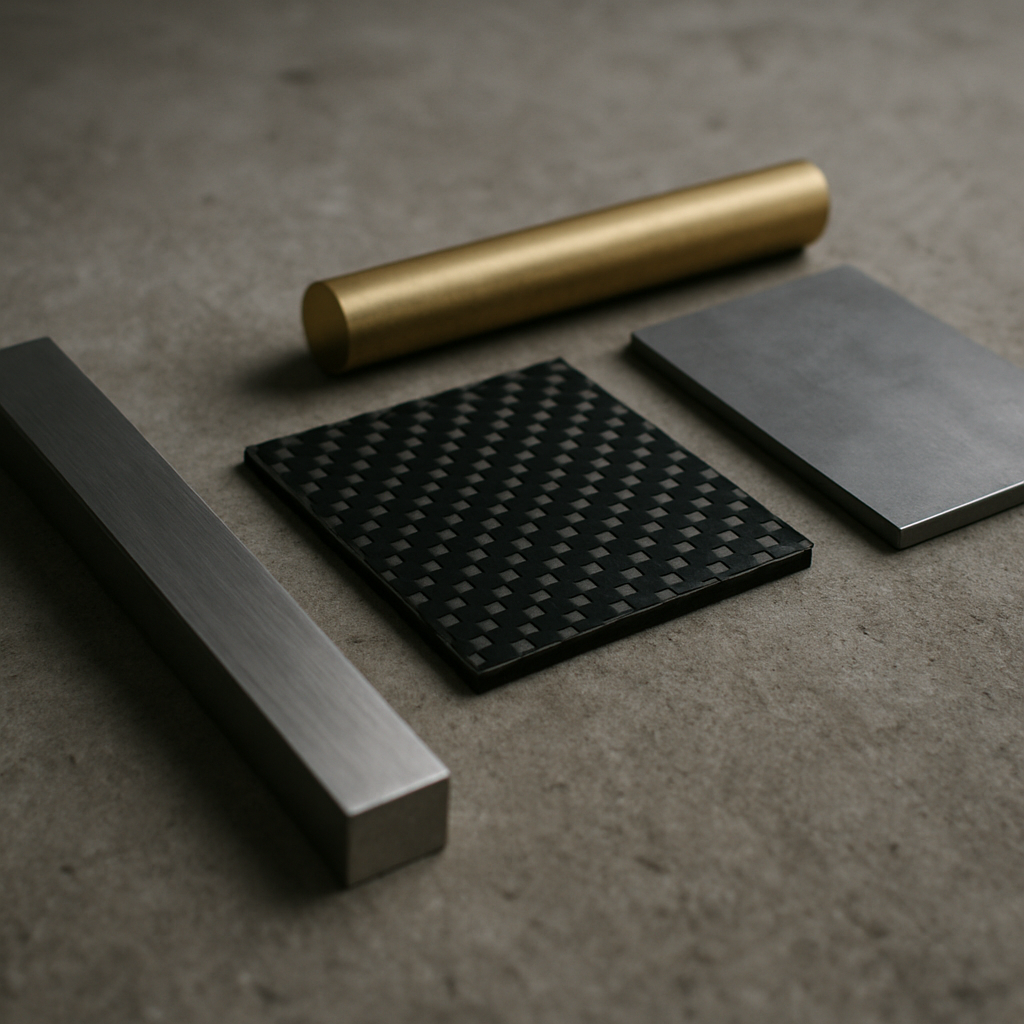
In the evolving world of everyday carry (EDC), the materials used in gear are as crucial as the tools themselves. A well-chosen material can mean the difference between a reliable companion and a cumbersome burden. Technology and innovation have played significant roles in introducing advanced materials that enhance the functionality, durability, and aesthetics of everyday tools. From the classic reliability of stainless steel to the cutting-edge allure of carbon fiber, each material has unique properties that appeal to different users. Understanding these materials not only helps enthusiasts make informed decisions but also enriches the culture surrounding EDC, fostering a community that values both tradition and innovation.
Stainless Steel: The Reliable Workhorse
Stainless steel is a stalwart in the world of EDC gear. Known for its durability and resistance to corrosion, it is widely used in knives, multi-tools, and other essential items. Brands like Victorinox and Leatherman have built their reputations on crafting tools that rely heavily on stainless steel. The material's ability to withstand the rigors of daily use without rusting or losing its edge makes it indispensable for enthusiasts who prioritize reliability and longevity.
The versatility of stainless steel extends beyond just function. Its aesthetic appeal is undeniable, with many EDC tools featuring a sleek, polished look that complements both casual and professional attire. While stainless steel tools may be slightly heavier than those made from modern materials, their robustness often outweighs considerations of weight, particularly for those who value sturdiness over portability. Additionally, stainless steel is relatively easy to maintain and can be sharpened to a fine edge, making it a favorite among both everyday users and collectors.
Moreover, stainless steel is cost-effective, providing a balance between quality and affordability. Many EDC fans start their journey with stainless steel items, appreciating their performance without breaking the bank. As technology advances, new alloys and compositions are developed to further enhance its properties, ensuring that stainless steel remains a staple in the EDC landscape for years to come.
Titanium: The Perfect Balance
Titanium has emerged as a popular material in the world of EDC, celebrated for its unique balance of strength and weight. It is approximately 45% lighter than steel yet boasts comparable strength, making it an ideal choice for those who seek durability without the burden of extra weight. High-end knife makers like Chris Reeve and Spyderco have adopted titanium in their designs, offering products that appeal to both function and form aficionados.
The corrosion-resistant nature of titanium adds another layer of appeal, especially for those in humid or corrosive environments. Unlike stainless steel, which can show wear over time, titanium remains largely unaffected by exposure to saltwater and other corrosive substances. This property makes it particularly popular in maritime settings or with those who live near the coast and need gear that withstands such conditions.
Titanium's aesthetic is another factor that contributes to its popularity. Its sleek, modern look, often with an anodized finish, resonates with users who appreciate subtle elegance in their gear. Additionally, the material is hypoallergenic, making it suitable for accessories like rings or wearable tools for individuals with sensitive skin. Though often more expensive than their stainless steel counterparts, titanium EDC tools are seen as an investment in quality and longevity, making them a sought-after choice among seasoned enthusiasts.
Aluminum: Lightweight Versatility
Aluminum has carved out its niche in EDC for those who prioritize lightweight gear. This material is significantly lighter than stainless steel and even titanium, offering a sense of portability that is crucial for certain users. Companies such as Benchmade integrate aluminum into their designs, producing tools that are easy to carry without sacrificing the necessary strength and durability.
Part of aluminum's charm lies in its versatility. It can be anodized in various colors, giving users the ability to personalize their EDC gear to suit their style. This customization potential adds a personal touch that enhances the emotional attachment users often develop with their tools. Furthermore, aluminum's cost-effectiveness makes it a viable option for beginners or those looking to expand their collection without a substantial financial commitment.
However, it's important to consider that aluminum, while durable, can be more prone to scratches and wear than other materials like titanium or stainless steel. That said, for many users, the benefits of aluminum's weight savings and customization options outweigh the trade-offs. Aluminum continues to be a practical choice for those who value both function and form in their everyday carry arsenal.
G-10: The Grip Factor
G-10 is a fiberglass-based laminate that has become a favorite for EDC handles, particularly in knives. Known for its excellent grip and durability, G-10 is lightweight yet incredibly strong, making it ideal for situations where a secure hold is paramount. This material is commonly used by knife manufacturers like Benchmade and Spyderco, who value its superior performance in demanding conditions.
The texture of G-10 provides a tactile advantage that can be crucial in wet or slippery environments. Its ability to maintain grip even when exposed to sweat, water, or other liquids makes it a preferred choice for those who need reliable tools in unpredictable situations. Additionally, G-10 is renowned for its resilience, able to withstand impacts and resist corrosion, further enhancing its utility in rugged applications.
One of the appealing aspects of G-10 is its wide range of colors and finishes. This allows manufacturers to offer aesthetically diverse options that cater to personal tastes, from understated designs to vibrant, statement-making pieces. As a material, G-10 bridges the gap between functionality and personal expression, making it a staple in the EDC community for users who demand both performance and individuality from their gear.
Carbon Fiber: The Cutting Edge
Carbon fiber represents the pinnacle of modern material engineering in the EDC world. It is celebrated for its remarkable strength-to-weight ratio, offering unparalleled performance characteristics that make it a top choice for high-end items. This material is commonly featured in products from prestigious brands like Zero Tolerance and WE Knife Co., which push the boundaries of what is possible in tool design.
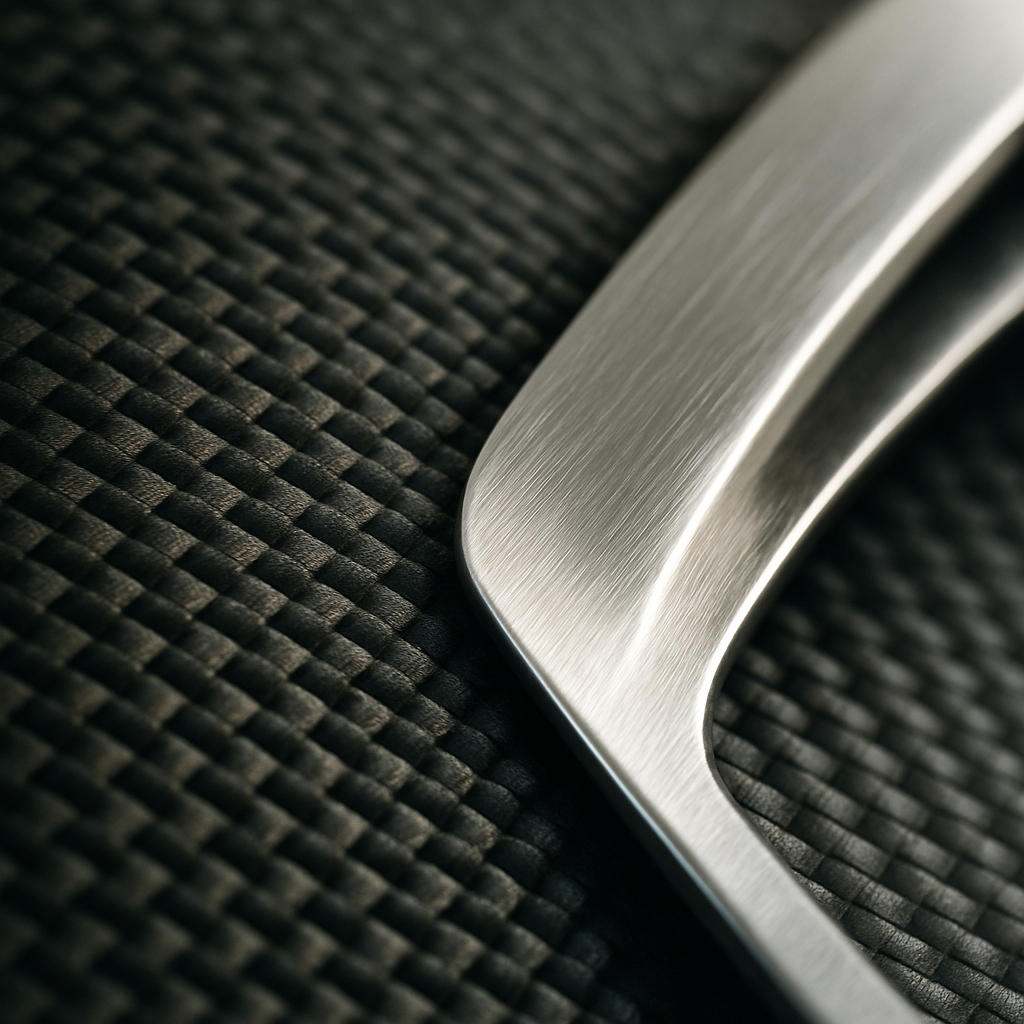
The appeal of carbon fiber lies in its extraordinary lightness combined with immense strength. These properties make it ideal for users looking to minimize weight without compromising durability—a critical consideration for those who carry gear extensively throughout the day. Furthermore, carbon fiber's striking aesthetic, with its distinctive weave pattern, offers a futuristic appeal that sets it apart in terms of visual allure.
Despite its premium price point, carbon fiber is highly sought after by EDC enthusiasts who appreciate cutting-edge materials and technology. This material is not only about performance but also represents a lifestyle choice, reflecting a commitment to quality and innovation. As advancements continue, carbon fiber's role in EDC will likely expand, offering even more exciting possibilities for those who seek the ultimate in their everyday carry gear.